

Sponsored article in collaboration with Base Camp Food.
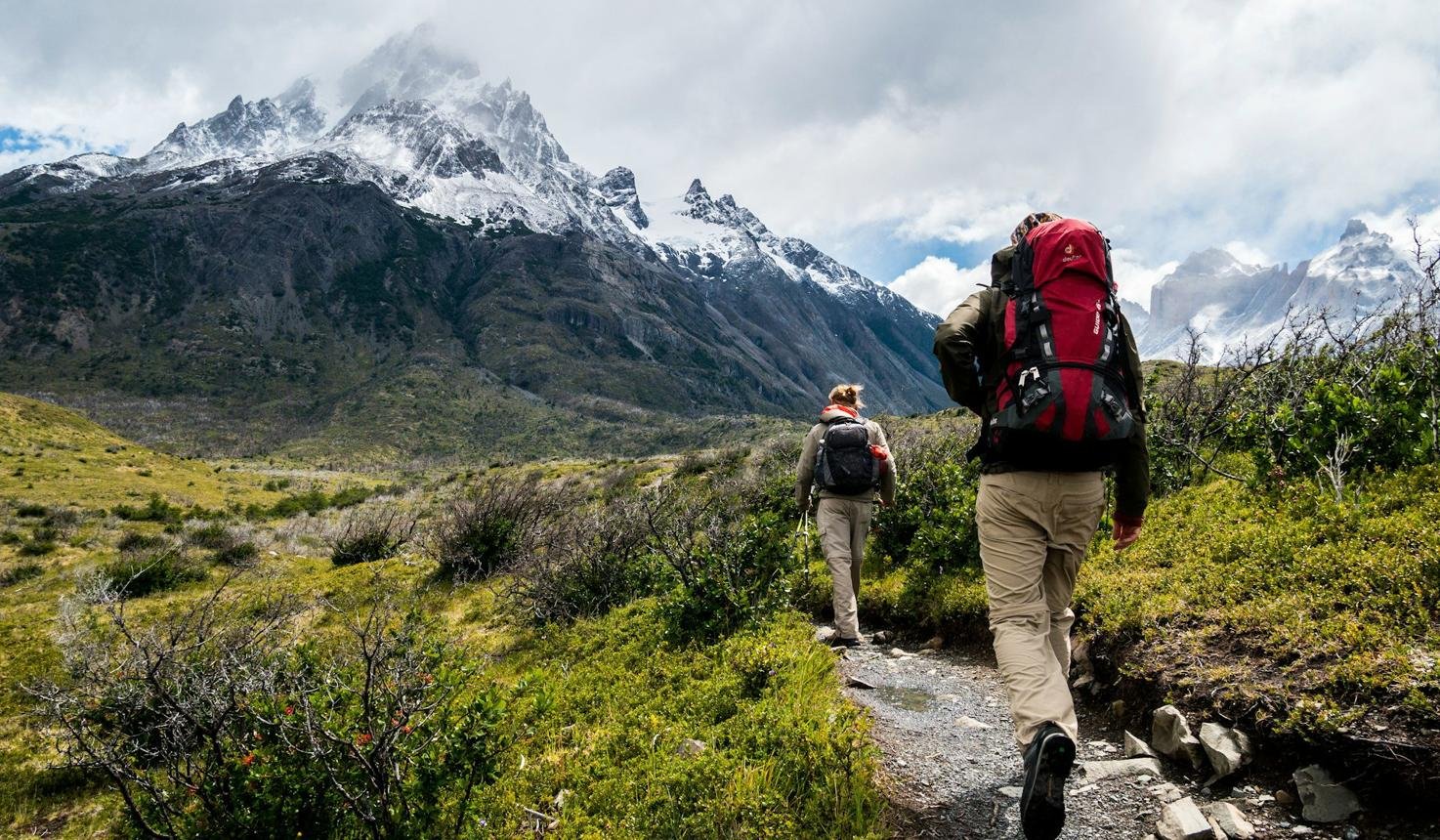
Ask experienced long-distance walkers what separates a good trip from a miserable one and food comes up almost as often as boots. Walking for six or eight hours a day with a pack, several days in a row, is a very different demand from a Saturday stroll. Energy runs down, appetite behaves oddly and the tiredness that builds by day three can have a lot to do with what has, or has not, been eaten.
Fuelling well does not need specialist knowledge, only a few principles and a bit of planning. The right hiking food is light enough to carry, provides enough energy to keep you moving and is appealing enough that it actually gets eaten when the weather is bad and morale is low.
Why Trail Nutrition Is Different
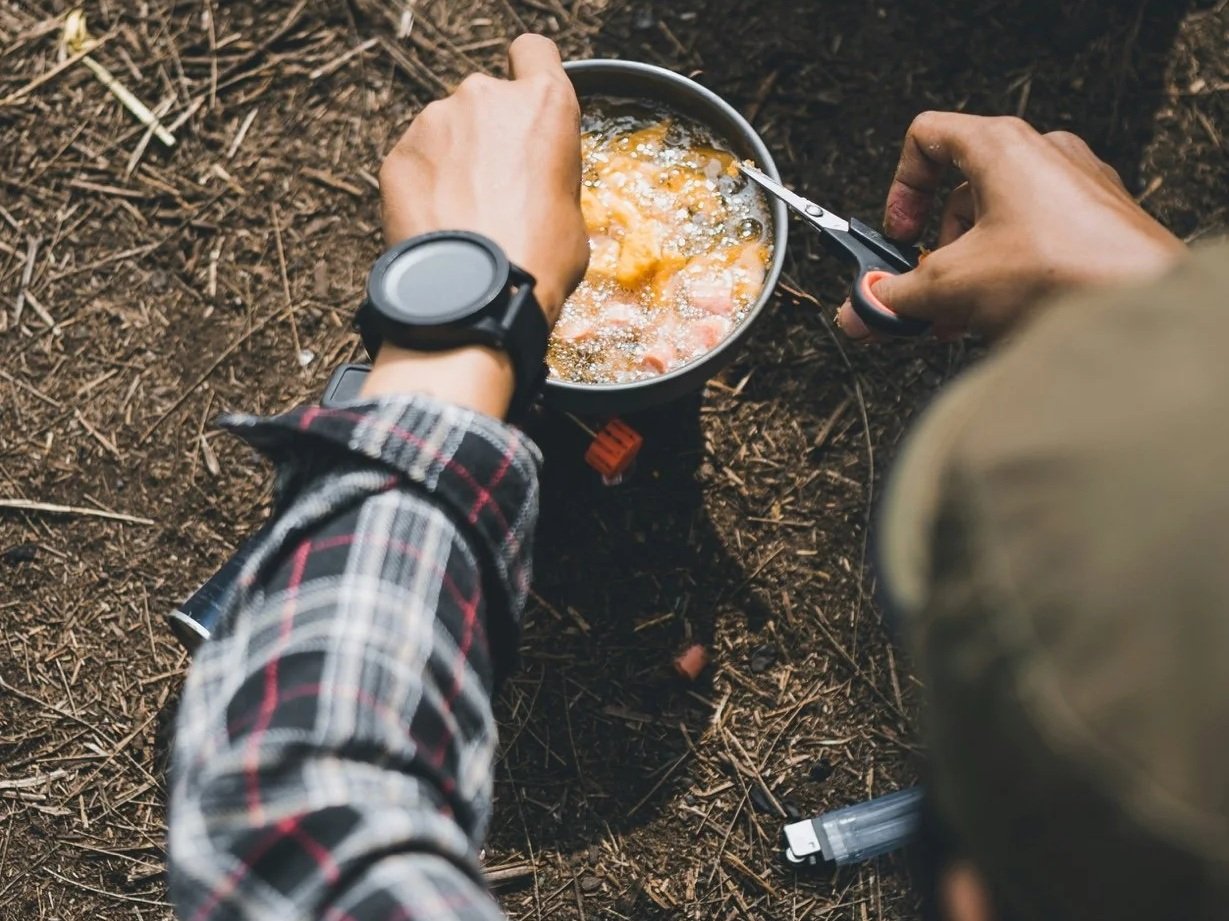
At home, food is chosen for taste, convenience and variety. On a self-supported trek, weight, shelf life and preparation time all enter the picture. Everything has to be carried, kept without refrigeration and cooked, if at all, on a small stove in whatever weather turns up.
On supported treks, such as those in the Himalayas, the situation can be very different. Meals may be available in teahouses along the route, but walkers still need to think about maintaining energy between stops, particularly when walking at altitude.
Four Questions for Choosing Trail Food
A useful way to judge any food is to ask four things. Is it light for the energy it provides? Does it keep without a fridge? How quickly can it be prepared? And would it still be appealing when cold, tired and hungry?
Freeze-dried meals tend to score well on the first three, which is why the kind of meals familiar from Duke of Edinburgh expeditions have become a common sight on longer walks too.
They need only boiling water, take up little room and remove many of the cooking decisions at the end of a long day. For walkers planning a self-supported adventure, choosing suitable hiking food in advance can make meal planning considerably easier.
As with any food, it is worth trying meals at home first, since flavours, portion sizes and calorie content vary.
How Much Energy Is Needed?
Energy requirements depend on body size, pack weight, pace, terrain and weather. A demanding day of hiking with a loaded pack can result in total daily energy expenditure of 3,000 kilocalories or more, although individual requirements vary considerably.
Many walkers also find that appetite lags behind their energy needs, particularly in hot conditions or at altitude.
Rather than waiting until hunger strikes, planning regular food breaks can help maintain energy throughout the day.
Carbohydrate, Fat and Protein
Carbohydrates are an important fuel source for sustained physical activity, particularly during harder climbs and prolonged effort. Oats, pasta, rice, bread, dried fruit and cereal bars are all useful options.
Fat is the most energy-dense nutrient, providing approximately nine calories per gram compared with four for carbohydrate or protein. This makes nuts, nut butter, cheese and olive oil useful additions when pack weight matters.
Protein supports muscle repair and recovery between walking days. Including some at each meal, from foods such as dried meat, cheese, lentils, tuna or protein-containing freeze-dried meals, can help the body recover for the following day's effort.
A balanced approach is more useful than relying too heavily on any single nutrient.
Eating on the Move
Little and often tends to work better than relying entirely on large meals during long walking days.
A handful of nuts, a cereal bar or some dried fruit at regular intervals can help maintain energy and reduce the likelihood of feeling depleted later in the day.
Keep snacks in an accessible pocket so eating does not require unpacking your rucksack.
For anyone undertaking a long-distance challenge, this is particularly important. It can be surprisingly easy to concentrate on covering the miles and forget to eat, especially when fatigue begins to build.
Hydration and Electrolytes
Fluid requirements vary with temperature, effort, altitude and individual sweat rates. Drinking regularly according to thirst, while paying attention to conditions and access to water, is generally more practical than following a rigid quantity.
On long, hot days, sweat also contains electrolytes, particularly sodium. Eating normal meals and salty snacks may help replace these losses, while electrolyte products can be useful in some circumstances.
However, drinking excessive amounts of water can also be dangerous. The aim is to stay appropriately hydrated rather than simply drinking as much as possible.
Water collected from streams and lakes should be properly treated using a suitable filter, purification method or boiling, unless its safety is reliably established.
Evening Meals and Recovery
A hot evening meal does more than fill the stomach. It can restore warmth, replenish energy and provide an opportunity to recover before the next day's walking.
Aim for a combination of carbohydrates and protein, with some fat to increase energy intake where appropriate.
After a particularly demanding day, eating enough overall is just as important as choosing the right ingredients.
Adapting to the Conditions
Different environments create different nutritional challenges.
In cold conditions, energy requirements may increase, especially when the body is working hard to stay warm. Hot meals and drinks can also provide a welcome morale boost.
In hot weather, appetite may decrease, making lighter, easily eaten foods more appealing.
At altitude, some trekkers experience reduced appetite, making regular meals and snacks particularly important.
In wet weather, foods that can be eaten quickly without lengthy stops are useful. Keeping a few emergency snacks accessible is always sensible.
Plan, Test and Adjust
Before a multi-day trek, write a simple menu for each day and consider how much energy your planned meals and snacks will provide.
For self-supported trips, organise food into daily portions and check the total weight.
Try unfamiliar meals on shorter walks beforehand. Discovering that a particular meal does not agree with you is much better done close to home than halfway through a remote trek.
Afterwards, make a note of what you ate, what you carried home and what you wished you had brought. These small lessons can make future adventures much easier to plan.
Planning a longer adventure? Food is only one part of your preparation. My Essential Hiking Kit Guide covers the equipment worth considering before heading out on the trail.
Allergies and Dietary Needs
Read ingredient labels carefully, particularly when purchasing unfamiliar products.
Anyone walking with a group should make sure relevant dietary requirements and serious allergies are communicated in advance.
Vegetarian, vegan and gluten-free trekking meals are available, although suitability and preparation arrangements should always be checked.
Final Thoughts
Eating well on a multi-day trek comes down to a few consistent habits: consuming enough energy, eating regularly, staying appropriately hydrated and allowing time for recovery.
Whether you're carrying your own food through the British hills or walking between teahouses in the Himalayas, planning ahead can make a real difference.
Get the basics right, and you'll be better prepared to enjoy the journey rather than simply endure it.
New to hiking or looking to build your confidence on longer walks? Take a look at my Guide to Hiking for Beginners, covering the basics of getting started and preparing for your next adventure.
Happy Hiking!
Marc